Website Design

Web Development, Website Design

Why Outsourcing Your Website Design and Development Makes Sense

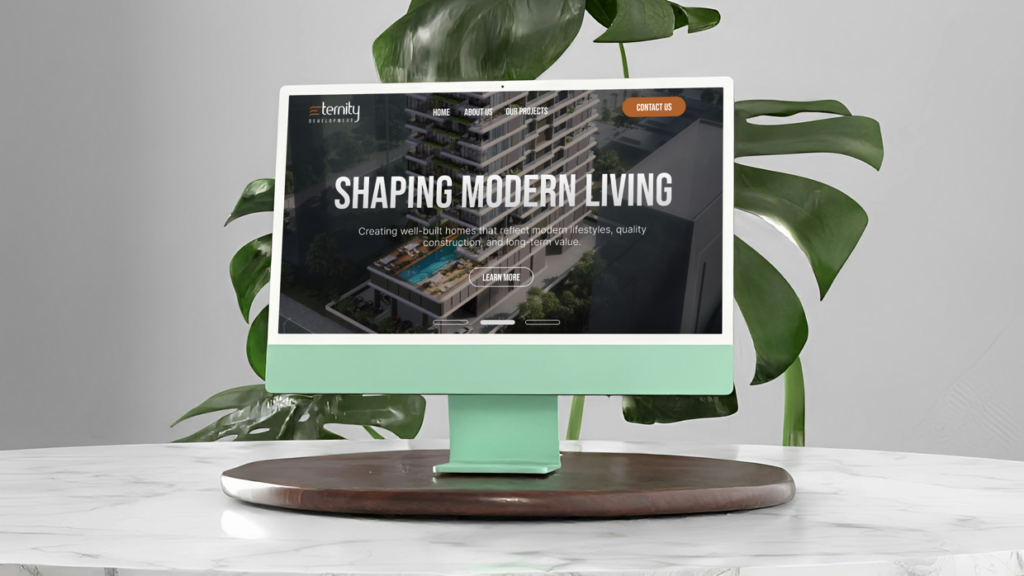
Your website is often the first impression a potential client or customer has of your business. It needs to be compelling, functional, and fast, building it well takes more than good intentions. For most businesses, the smartest path to a high-performing website is outsourcing to a specialist agency. At Lux Legacy Agency, we’ve helped startups and established enterprises across industries transform their digital presence through outsourced web design and development. Here’s what that decision actually looks like in practice, and why it consistently delivers better results than in-house builds. At Lux Legacy, we believe in empowering not just businesses but the individuals who drive them. By fostering innovation and collaboration, we aim to shape the future of work and provide professionals with the tools for sustained success.” — Winifred Ogiugo, CEO, Lux Legacy Agency (As featured in Business Day) What You Actually Get When You Outsource Web Design and Development 1. Expertise you can’t easily replicate in-house A dedicated web development agency brings a full team to your project from day one — UI/UX designers, developers, project managers, and quality assurance specialists working in a coordinated workflow. That depth of specialisation takes years to build internally and is expensive to maintain full-time. Agencies also stay current on web standards, accessibility guidelines, SEO best practices, and emerging technologies as a matter of survival — their business depends on it. For a business owner, that means your website benefits from knowledge that’s continuously updated, not frozen at the point of your last hire. 2. Lower costs than you might expect The cost comparison between in-house and outsourced web development is rarely as close as it seems. In-house development means salaries, benefits, hardware, software licences, and training — ongoing costs whether or not active development is happening. Outsourcing converts those fixed costs into project-based spend you control. Agencies also move faster. Established workflows, clear processes, and experienced teams mean fewer delays and less wasted time — which directly affects your bottom line. 3. Your team stays focused on what they do best Every hour your internal team spends on web development is an hour not spent on growing your business. Outsourcing web design and development removes a technically demanding, time-intensive function from your plate entirely — freeing your people to stay focused on strategy, sales, and operations. 4. Faster time to market Professional agencies manage projects against clear timelines and milestones. They’ve delivered dozens — sometimes hundreds — of projects and know where delays typically happen and how to avoid them. For businesses launching a new site or revamping an existing one, that experience translates directly into faster delivery. 5. Fresh perspective and innovative ideas Working across multiple industries gives agencies a viewpoint that in-house teams rarely develop. They know what’s working in other sectors, what design patterns drive engagement, and what mistakes to avoid. That outside perspective often surfaces ideas and approaches that wouldn’t emerge from within your organisation. 6. Built-in scalability As your business grows, your website’s demands grow with it. Outsourcing gives you the flexibility to scale up development when you need it and pull back when you don’t — without the complexity of hiring, training, or redundancy. 7. Ongoing maintenance and support A website isn’t a one-time project, it requires continuous updates, security patches, and content management to stay relevant and functional. Outsourcing agencies provide structured ongoing support, with clear processes for handling issues quickly and minimising downtime. 8. Reduced risk Reputable agencies have quality assurance processes built into their workflow — testing phases, code reviews, and project governance that catch problems before they reach your users. That structured approach significantly reduces the risk of costly errors or post-launch failures. A Real Example: What Outsourcing Looked Like for One of Our Clients A fashion e-commerce brand had spent five years building a reputation as a leader in trendy streetwear. But over time, sales started slipping. Customer engagement dropped. The website felt outdated, social media had gone quiet, and the brand was losing its distinct identity to a growing field of competitors. The founder, Lisa, captured the problem simply: “It’s like we’re just another store now. We used to stand out, but now we’re getting lost in the crowd.” Lux Legacy Agency came in with a complete brand and digital overhaul. We started with a full brand audit — analysing customer perception, competitor positioning, and existing digital touchpoints. From there, we rebuilt the brand from the ground up: refined visual identity, updated colour scheme and typography, and clear brand messaging guidelines that carried through every platform consistently. On the website, we overhauled the entire shopping experience — streamlined navigation, optimised product pages, a seamless mobile experience, integrated customer reviews and user-generated content, and AI-powered product recommendations. We then launched a targeted influencer campaign with streetwear and fashion bloggers, built a structured content calendar, and introduced loyalty programmes and VIP offers to drive customer retention. Lisa’s response when she saw the results: “We didn’t just get more sales — we got our brand’s voice back. People are excited about the brand again.” Within six months: That turnaround happened because design, development, content, and strategy were all handled together — by a team that specialises in exactly this kind of work. Choosing the Right Agency Not all agencies deliver equally. When evaluating a web design and development partner, look for: The right agency doesn’t just build your website. They become a strategic partner invested in its performance. The Bottom Line Outsourcing your website design and development isn’t a shortcut — it’s a strategic decision that gives your business access to specialist expertise, faster delivery, and a better end result than most in-house teams can achieve on their own. At Lux Legacy Agency, we specialise in bespoke web solutions for startups and established enterprises across industries. Based in Ontario, Canada, our team brings the expertise, tools, and creative thinking to build a digital presence that genuinely reflects your business — and performs. Ready to build something extraordinary? Let’s talk.
Brand Design Identity, Website Design

Why Quality Website Design Is Crucial for Your Brand’s Identity

Your website is your brand’s first impression, and in most cases, it forms in under 50 milliseconds. Before a visitor reads a single word, they’ve already made a judgment about whether your business looks credible, professional, and worth their time. That’s not a small thing. It means quality website design is not a cosmetic decision. It is a strategic one that directly affects trust, engagement, and revenue. At Lux Legacy Agency, we’ve seen firsthand what a well-designed website does for a business, and what a poorly designed one costs. Here’s what every business owner needs to understand. First Impressions Are Made in Milliseconds Research shows users form an opinion about a website in as little as 50 milliseconds. That snap judgment shapes everything that follows: whether they stay, explore, and ultimately convert, or leave and go to a competitor. A quality website design signals professionalism immediately. Clean layout, intuitive navigation, and visual consistency tell visitors your business is reliable before they’ve read a single line of copy. A cluttered, outdated, or slow site sends the opposite message, and most visitors won’t give you a second chance to correct it. Consistency Builds Recognition and Trust Your website doesn’t exist in isolation. It sits alongside your social media, email communications, and any offline presence your brand has. When the visual identity, including colours, typography, tone, and imagery, is consistent across all of those touchpoints, your brand becomes recognisable and memorable. Inconsistency, on the other hand, creates doubt. If your Instagram looks nothing like your website, or your website looks nothing like your business cards, customers pick up on that disconnect even if they can’t articulate why. It erodes confidence in your brand. A quality website design starts with brand guidelines that carry through every element, so every interaction a customer has with your business reinforces the same identity. Good Design Drives Real Business Results Design is not just about looking good. It is about performing. A well-designed website: Every one of these outcomes has a direct line to revenue. Design is not overhead. It is infrastructure. What Our Clients Say “Our experience with Lux Legacy has been exceptional from start to finish. We would highly recommend Lux Legacy to anyone looking for top-notch web design services.” — Isioma Isamah That kind of result comes from treating website design as a business tool, not just a creative exercise. Every decision, from layout and speed to mobile experience and content hierarchy, is made with the end user and the business goal in mind. SEO and Design Work Together A website that looks great but loads slowly, breaks on mobile, or has poor structure won’t rank. Google’s algorithm increasingly rewards sites that deliver a genuine user experience: fast, accessible, easy to navigate, and relevant. Quality website design and SEO are not separate workstreams. They’re built together from the start. At Lux Legacy Agency, every website we build is structured with both the user and search engines in mind, because visibility and experience are two sides of the same coin. The Bottom Line Investing in quality website design is investing in your brand’s credibility, your customers’ experience, and your business’s growth. A well-designed site works for you around the clock, attracting visitors, building trust, and converting interest into action. “At Lux Legacy, we believe in empowering not just businesses but the individuals who drive them.” — Winifred Ogiugo, CEO, Lux Legacy Agency (As featured in Business Day) If your website isn’t reflecting the quality of your business, it’s time to change that. Let’s talk.
difference between website and landing page
Web Development, Website Design

Difference Between Website and Landing Page: A Comprehensive Guide

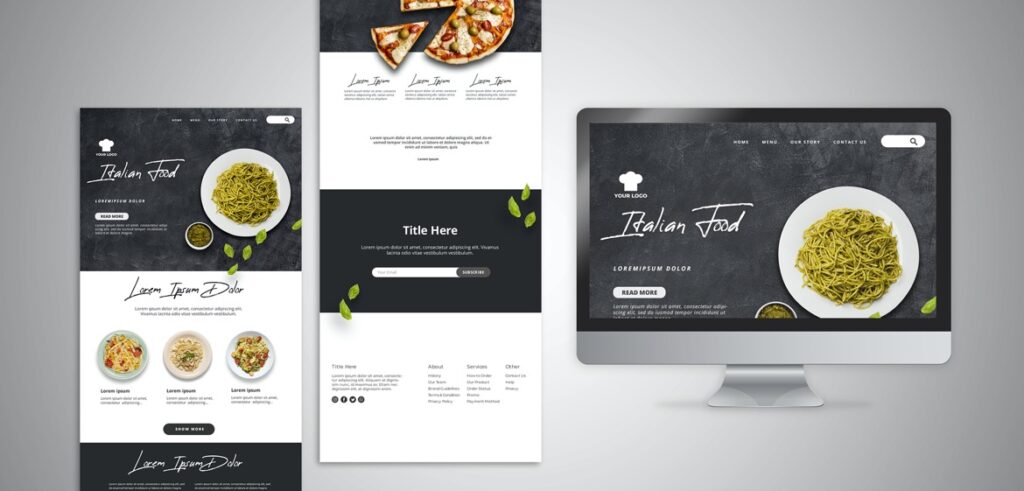
In today’s digital world, businesses cannot afford to be invisible online. Two key tools for establishing an effective digital presence are websites and landing pages. Although often used interchangeably, they serve very different purposes. Understanding the difference between a website and a landing page is essential for business growth, effective marketing, and maximizing conversions. As a digital agency specializing in tailored online solutions, Lux Legacy Agency helps businesses leverage both websites and landing pages strategically to achieve measurable results. What is a Website? Your Digital Headquarters A website is your business’s online headquarters—a multi-page platform that communicates your brand story, products, services, and contact information. It typically includes: Websites serve multiple purposes: they educate visitors, build trust, showcase your expertise, and provide a hub for all online activity. A well-designed website evolves over time, reflecting changes in your business, offerings, and strategy. Websites are long-term assets optimized for SEO, ensuring your business can attract and engage a broad audience organically. What is a Landing Page? Your Conversion-Focused Tool Unlike websites, landing pages are single-page platforms designed with a specific goal: conversion. Every element on a landing page is crafted to guide a visitor toward completing a single action—whether it’s: Landing pages are campaign-specific and often not part of your main site navigation. They speak directly to a targeted audience, addressing specific pain points and showing how your product or service solves them. Key Differences Between Websites and Landing Pages Understanding their differences ensures you use each effectively. Purpose and Scope Content and Structure Design and Navigation Duration and Evolution SEO and Discoverability When to Use a Website Websites are ideal when you want to: When to Use a Landing Page Landing pages are best for: How Websites and Landing Pages Work Together Using websites and landing pages in tandem amplifies results. A website hosts blogs, resources, and general information, driving organic traffic. Landing pages capture that traffic from targeted campaigns, converting visitors into leads or customers. For example, a blog on your website can attract visitors interested in a service. A strategically linked landing page can convert that interest into a lead by offering a free consultation or guide. This approach maximizes both reach and conversion. Bringing It All Together With Website Design A website alone won’t guarantee conversions. The key lies in strategic website design that supports your marketing goals while making room for high-converting landing pages. At Lux Legacy Agency, we specialize in website design that balances aesthetics, functionality, and conversion strategy. By understanding the difference between a website and a landing page, we ensure your online presence is fully optimized to attract, engage, and convert your ideal audience. Client Testimonial “I couldn’t be happier with the website Lux Legacy created for me. Their creativity and attention to detail were evident throughout the entire process.”— Belinda Marowah Conclusion: Strategic Digital Presence for Growth Distinguishing between a website and a landing page is critical for any business aiming to thrive online. Websites establish your digital identity and offer comprehensive information, while landing pages drive specific conversions and support marketing campaigns. Leveraging both tools effectively ensures your business attracts the right audience, engages them meaningfully, and converts interest into action. By focusing on strategic website design, optimized landing pages, and cohesive digital marketing, you set your business on a path to sustainable growth and long-term success.

Scroll to Top