Social Media Marketing

social media marketing strategies
Digital Marketing, Social Media Marketing

Social Media Marketing Strategies for Small Businesses

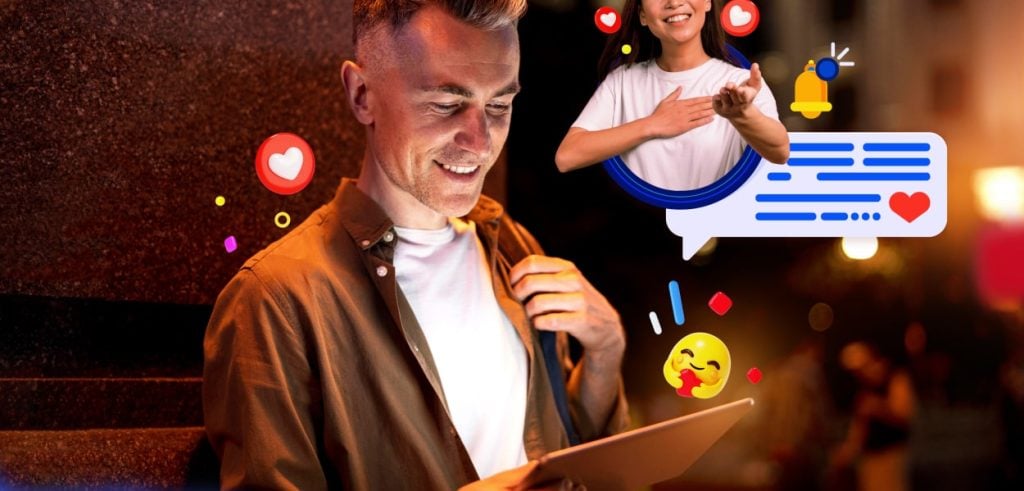
Social media marketing is the practice of using social platforms to promote products or services. For small businesses, it’s essential because it provides cost-effective reach, increases brand visibility, and fosters customer engagement that drives growth. Platforms like Facebook, Instagram, Twitter, LinkedIn, and TikTok dominate today’s landscape, each serving different audiences and purposes. At Lux Legacy Agency, we help small businesses create tailored social media strategies that amplify brand presence, boost conversions, and make the most of limited budgets. Through strategic content creation, targeted advertising, and analytics-driven approaches, small businesses can confidently navigate social media to grow their reach and compete in crowded markets. Understanding Your Audience Knowing your audience is the foundation of social media success. Understanding their preferences, behaviors, and demographics allows your business to craft content that resonates and encourages action. How to research your audience: Creating buyer personas, which are detailed profiles of your ideal customers, helps you visualize your audience and tailor content to their needs. The better you know your audience, the more effective your social media strategy will be. Choosing the Right Social Media Platforms Not every platform is right for every business. Here’s a quick guide: When choosing platforms, consider your target audience, the type of content you can produce, your business objectives, and resources. Matching platforms to your goals ensures your efforts are strategic, focused, and effective. Crafting Content That Works High-quality content captures attention, builds trust, and encourages action. Types of content small businesses should focus on: A content calendar keeps your posting organized and consistent. Plan content themes, formats, and posting frequency to maintain engagement and ensure your social media presence supports your business goals. Engagement and Community Building Engagement turns followers into loyal customers. Strategies include: Building a community requires: A strong community boosts brand loyalty, advocacy, and long-term business growth. Paid Social Media Advertising Paid social media allows small businesses to reach the right audience efficiently. Platforms offer multiple options: Best practices for advertising: Lux Legacy Agency helps small businesses create and manage ad campaigns that maximize ROI while staying on budget. Measuring Success and Analytics Tracking performance ensures your social media efforts are effective. Key metrics include: Tools like Facebook Insights, Instagram Analytics, Google Analytics, Hootsuite, and Buffer help track these metrics. Use the data to identify trends, refine strategies, and make informed decisions that improve results. Staying Updated and Adapting Social media evolves quickly. Small businesses need to adapt to remain visible and effective. Flexibility and adaptation are crucial to staying competitive and maximizing social media success. Conclusion Social media marketing is a powerful tool for small businesses to grow their reach, connect with customers, and drive sales. Key takeaways: Small businesses that take action, stay adaptable, and focus on meaningful engagement can see long-term growth through social media. Contact us to start your social media journey or read more about Lux Legacy Agency.

influencer marketing trends 2024
Digital Marketing, Email Marketing, Social Media Marketing

Influencer Marketing Trends 2024: What You Need to Know

Influencer marketing, where brands collaborate with individuals who have significant online followings, has become a central strategy in modern marketing. By leveraging the trust influencers have built with their audiences, brands can promote products and services authentically. Staying updated on emerging trends is essential as consumer preferences evolve alongside new social media tools and technology. In 2024, influencer marketing continues to adapt to new platforms, content formats, and audience behaviors. Brands that understand these shifts can foster genuine connections and drive meaningful engagement. Emerging Platforms and Channels The influencer marketing landscape is expanding rapidly, creating new ways for brands to reach audiences. Social media evolution has opened fresh opportunities for promotion. Platforms like Clubhouse, Vero, and Lasso provide unique ways to connect with audiences. Micro-influencers, who have smaller but highly engaged followings, offer a more targeted and authentic approach, often increasing conversion rates. Non-traditional channels such as podcasts, TikTok, and virtual reality are also gaining traction. Immersive and interactive content allows brands to create memorable experiences and deeper emotional connections. Evolution of Content Formats Content formats are evolving, changing how audiences engage with brands. Video content is dominating. Platforms like YouTube, Instagram Reels, and TikTok demonstrate the power of visual storytelling. Influencers who create engaging video content can captivate audiences, increase engagement, and boost brand recall. Authenticity and transparency are crucial. Consumers want genuine, relatable content that reflects real experiences and values. Interactive experiences using augmented reality, virtual reality, or gamified content are growing in popularity. These approaches enhance engagement and help brands stand out. Data-Driven Strategies Data is essential for optimizing influencer marketing campaigns. AI and machine learning allow brands to analyze audience behavior, identify trends, and predict engagement outcomes. Tools for influencer discovery, content optimization, and audience segmentation simplify campaign management and improve results. Personalization is key. Tailoring content to audience preferences increases relevance and engagement. Analytics tools help brands track metrics such as engagement, traffic, and sales, providing insights for continuous improvement. Collaboration and Partnerships Collaboration between influencers and brands is vital for authentic engagement. Sponsored content allows influencers to promote products credibly, leveraging their trust with followers. Co-created campaigns involve influencers in content creation, making messages more relatable. Long-term ambassador relationships build ongoing connections with audiences, establishing loyalty over time. Brands can also leverage professional support from digital marketing services to manage partnerships effectively. Regulatory Landscape Compliance is essential in influencer marketing. Influencers must follow guidelines, such as those from the FTC, and clearly disclose sponsored content. Transparency builds trust with audiences and avoids legal complications. Brands that adapt campaigns to evolving regulations maintain credibility while strengthening relationships with consumers. Globalization and Diversification Influencer marketing is increasingly global and culturally diverse. International collaborations allow brands to reach new markets, while cultural relevance ensures campaigns resonate locally. Partnering with local influencers helps create authentic, region-specific messages. Diversity and inclusivity are important. Working with influencers from underrepresented communities strengthens brand image and expands audience reach. Future Outlook Looking beyond 2024, influencer marketing will continue to evolve with technology and consumer behavior. AI and machine learning will enable more precise targeting and optimization. Emerging formats like virtual reality and augmented reality will create immersive experiences. Brands that prioritize authenticity, transparency, and inclusivity will stand out in a crowded market. Continuous experimentation with platforms and content, combined with ongoing learning, will be essential to remain competitive. Conclusion Influencer marketing in 2024 provides opportunities for brands to connect authentically with audiences. Key trends include the rise of new platforms, dominance of video content, data-driven personalization, meaningful collaborations, and the importance of diversity and compliance. Brands that embrace these trends, remain authentic, and leverage new technologies will drive engagement, build loyalty, and achieve marketing goals. Staying adaptive, transparent, and consumer-focused ensures influencer marketing remains a powerful tool for growth. Learn more about how Lux Legacy Agency can help your brand thrive through influencer marketing by visiting our website or exploring our digital marketing services

Scroll to Top